Stop Throwing Money on the Street! The New Rules of Marketing
Every month you pay thousands of dollars to Google and Meta. As long as your advertising budget remains open, the phones ring. But the very day the budget ends, the shop falls completely silent. This situation is akin to a factory powered by a gas generator - when the fuel runs out, the machinery stops instantly. Traditional outbound methods have hit this exact technical dead-end. Attempting to buy customer attention by force is both exhausting and exceedingly expensive.
The inbound marketing philosophy, on the other hand, is like connecting your factory to wind turbines. You don't interrupt people with invasive billboards or cold calls during dinner. Instead, you provide honest answers to the exact problems your ideal prospects are already searching for. You educate them, offer actionable solutions, and earn their interest organically. The process demands effort initially, but once the flywheel begins spinning, your reliance on ad spend permanently decreases.
By my calculation, conversion rates for businesses utilizing inbound channels are eight times higher compared to outbound methods. While outbound conversion rates average 1.7%, inbound channels reach up to 14.6%. Furthermore, your customer acquisition cost (CAC) drops between 61% and 63%. This is an honest calculation: acquiring customers without ad spend lies in the compounding growth effect generated by content over time.
Mapping the Strategy Before Entering Battle
Creating content without a strategy is like searching for a bullseye in total darkness. The first task is defining your buyer persona. You must clarify on paper who your target audience is. Basic demographics like age and city are not enough - you must seek answers to what real pain points these people face, understand their search habits, and learn the core fears preventing them from purchasing.
Do not fabricate persona data at your desk. Speak to your sales team to learn what customers ask first when entering your store. Inspect website customer reviews and incoming support emails; this real-world data provides your genuine buyer profile. Once the profile is clear, map out the buyer journey. This journey consists of three main stages:
- The user realizes a problem exists and begins research.
- The user compares various solution paths and methodologies.
- The user decides from whom to purchase the service or product.
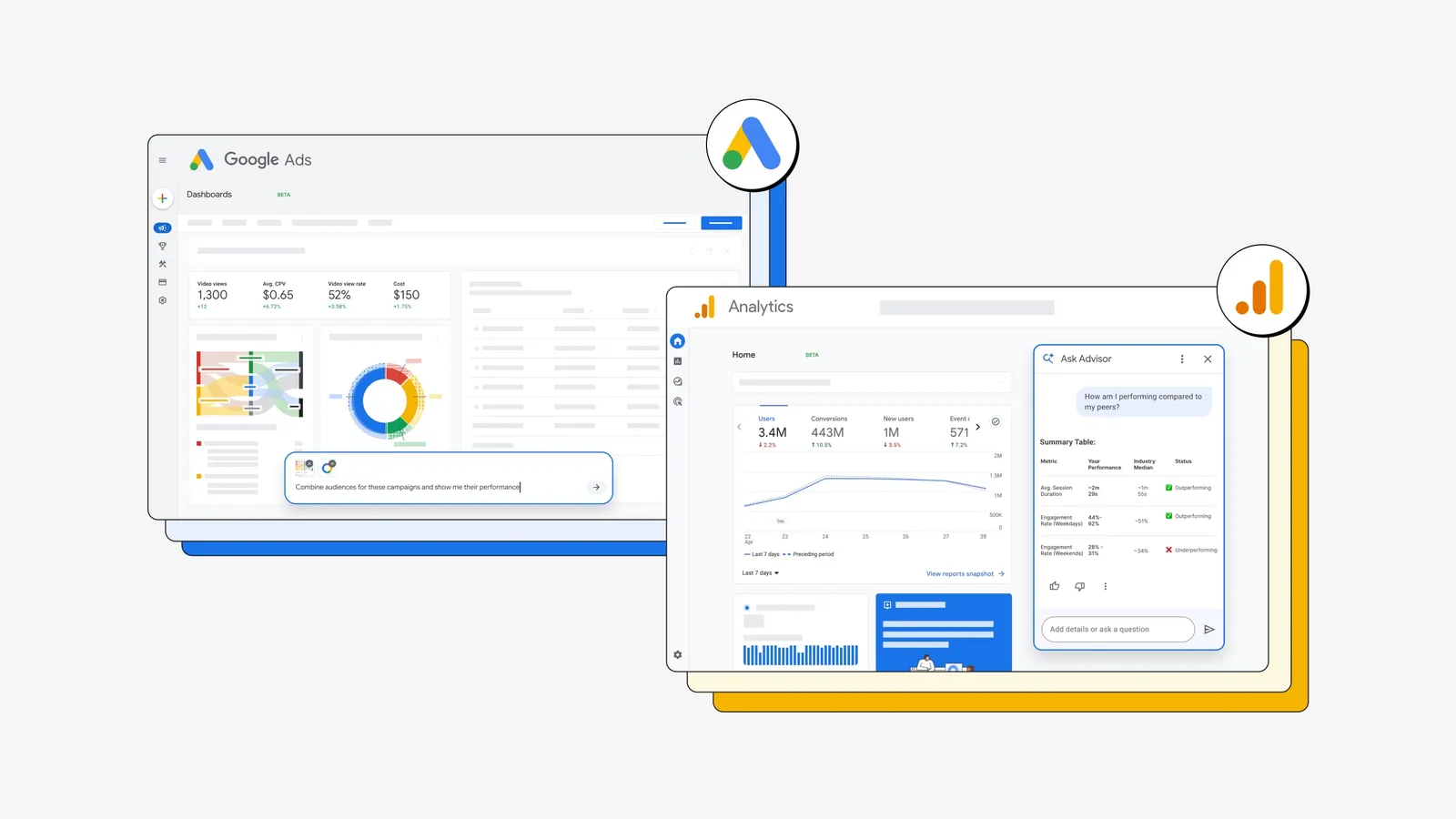
Following these steps, you must build your technical infrastructure. Your website speed must be on point, and mobile responsiveness must be flawless. Install Google Analytics 4 and Google Search Console dashboards to measure where traffic originates honestly. Furthermore, integrate a CRM system - manually tracking prospective leads is a waste of time, making infrastructure essential for automating operations.
The 3-Stage Flywheel That Stops Chasing Customers
Inbound methodology is not a static linear funnel; it is a flywheel. You do not view the customer as a mere output at the end of a process. Instead, you place them at the exact center of marketing, sales, and service. Every satisfied client accelerates the flywheel, bringing new leads to your doorstep. The flywheel comprises three core stages: Attract, Engage, and Delight.
“Stop interrupting what people are interested in and be what people are interested in. Earn their trust - trust is the ultimate sales leverage.”
HubSpot Co-Founder Brian Halligan
Stage 1 - Attracting Only Those Who Truly Need You
The primary goal is attracting qualified prospects to your site, not random traffic volume. To achieve this, craft a content strategy matching search intent. Employ Marcus Sheridan's famous 'They Ask, You Answer' methodology: answer customer questions directly, do not hide pricing, compare competitors transparently, and address potential issues openly. This builds trust from the very first second.
In modern search ecosystems, classic SEO alone is insufficient; you must also optimize for AI assistants, a practice known as GEO (Generative Engine Optimization). Utilize structured schema data markup so search engines and AI models understand your site clearly. Establish entity relationships properly and incorporate natural language Q&A blocks into your copy - AI search models read these blocks directly.
Diversify your content formats: author deep, comprehensive blog articles, publish industry research reports, and consistently leverage video formats if operating in B2B. People want to see a human face behind a brand - video enhances trust and directs traffic straight toward conversion.
Stage 2 - Engaging Visitors to Convert Leads
Over 95% of website visitors depart without completing a form. To engage them, deploy conversion assets: offer free e-books in exchange for email addresses, prepare actionable checklists, provide workflow-simplifying templates, or host webinars. These tools enable visitors to transform into qualified leads.
Once a lead is captured, trigger personalized email automation workflows. First, craft a warm welcome email series, followed by behavioral lead-nurturing emails based on user interactions. Don't attempt to close sales in every single email - continue offering value and providing insights. When they feel ready, they will naturally choose you.
Establish a Service Level Agreement (SLA) between your CRM system and your sales team. The system should automatically flag sales-ready leads, which you must hand off to sales reps without delay. Responding quickly directly elevates deal close rates.
Stage 3 - Delighting Customers for Word-of-Mouth Growth
The process does not end when a sale is finalized - that is when the real journey begins. Work to ensure the client extracts maximum utility from their purchased product or service: prepare dedicated onboarding guides, offer continuous training, and resolve issues promptly.
Foster community management, launch referral loyalty programs, and make it easy for satisfied clients to advocate for your brand. Word-of-mouth recommendations represent the most cost-effective customer acquisition channel. When you delight customers, the flywheel spins faster - your ad budget stays protected while your business grows.
Combining Inbound Insights with Targeted Outbound
Inbound marketing is a long-term investment, but you can execute a hybrid strategy for rapid wins. Identify corporate visitors navigating your site who haven't completed a form using reverse-IP lookup tools. Once identified, launch targeted outbound outreach presenting solutions focused precisely on topics they researched. This transforms cold calls into warm conversations.
When emailing these companies, leverage high-converting outreach formulas proven to yield results in nine out of ten cases, summarized in the table below:
High-Converting Email Outreach Formulas Table
| Formula | Core Structural Steps | Psychological Trigger |
|---|---|---|
| AIDA | Attention -> Interest -> Desire -> Action | Curiosity and Fear of Missing Out (FOMO) |
| The Bridge | Current State -> Desired Future -> Solution Bridge | Problem Resolution and Relief Desire |
| Value-First | Genuine Compliment -> Case Example -> Added Value -> Action | Reciprocity Principle and Appreciation |
Remain authentic when applying these formulas. Avoid exaggerated adjectives in emails and demonstrate the clear benefit you will deliver using concrete figures.
30-Day Inbound Implementation Roadmap
Do not feel intimidated about launching inbound marketing. You can break down the setup into a simple 30-day plan; advancing step by step simplifies the entire process.
Week 1: Research and Infrastructure Setup
During week one, identify the top ten questions your target audience asks. Complete Google Search Console, Google Analytics 4, and CRM integrations, clearing technical errors.
Week 2: Publishing Foundational Content
Prepare two in-depth blog articles matching search intent for your identified questions. Publish them and submit indexing requests via Google Search Console.
Week 3: Preparing Conversion Assets
Create a template or checklist lead magnet to capture visitor emails, and configure a 3-step automated welcome email sequence for this lead asset.
Week 4: Analytics Measurement and Content Planning
Analyze initial data to identify which keywords drive traffic, then draft your 6-month publishing calendar to maintain consistency.
Common Pitfalls and Mistakes to Avoid
The single biggest mistake in inbound marketing is favoring quantity over quality. Publishing ten superficial, shallow AI-generated posts per day delivers zero benefit to your site - on the contrary, search engines will penalize you. Never publish content that fails to deliver real value to readers.
Do not misinterpret search intent: avoid writing articles based purely on keyword search volume without solving the underlying problem users face. Articles failing to answer queries increase bounce rates.
Be patient: inbound marketing returns compound between six and twelve months. Don't give up after trying for two months claiming the system doesn't work. The process takes time but yields permanent success. Furthermore, never neglect existing customers while chasing new leads - losing current clients while seeking new ones is a major error.
Frequently Asked Questions (FAQ)
When will I see initial results from inbound marketing?
Initial organic traffic growth typically begins around month three. With consistent quality content, meaningful lead conversions materialize by month six. Allow one full year to experience the complete compounding effect.
Must I write all content myself?
You do not have to write everything alone, but you must transfer your industry expertise. Prepare an outline and collaborate with an SEO consultant to optimize copy for search engines.
Should I turn off paid ads completely?
No. Inbound marketing does not view ads as an enemy. Use paid ads to distribute inbound content assets or run retargeting campaigns for non-converting visitors, shifting budget distribution toward organic over time.
Does inbound marketing work in B2B sectors?
B2B purchasing decisions involve longer cycles and rely on rational data. In-depth research reports and technical guides simplify B2B lead decision-making, making B2B the single most fertile field for inbound.
Which CRM software should I use?
Free tiers of tools like HubSpot or Zoho are more than sufficient initially. As your business volume grows, upgrade to paid plans; the key priority is consolidating lead data in one central repository.
To launch organic growth and map out your strategy, explore our digital marketing consultancy page. To boost search engine visibility, check our SEO consultancy steps. To elevate paid ad efficiency, review our PPC consultancy service. Follow my latest analyses and handbooks on our articles page. Reach out if you wish to discuss your process.