What Exactly Is Content Marketing?
If you ask me, content marketing is giving people real value before asking for a sale. You give it freely: you educate, entertain, and solve a specific problem. Over time, that person begins to trust you, and when trust is established, sales follow naturally. Having spent eighteen years in this industry, I still believe content marketing is the most cost-effective customer acquisition channel.
However, with one condition: producing content alone is not enough. Without a proper strategy, your voice will never be heard. That is why we must walk through building a content marketing strategy from start to finish.
Target Audience: Real People, Not Just Numbers
Creating content without target audience research is like throwing darts with your eyes closed. In nine out of ten cases, content written by someone who doesn't know who they are writing for reaches no one. Do not treat your audience as mere demographic numbers—they are human beings. What questions worry them? What fears do they hold? What do they read while sipping morning coffee?
“Seeking to understand a customer is far more profitable than trying to sell to them. When you truly understand them, you don't need to force a sale.”
Answer these three core questions during audience analysis: What is this person's single biggest challenge? What exact search phrases do they use to solve it? How are they attempting to solve it right now? Write down those answers and build your content directly around them.
Content Calendars: Discipline Outperforms Talent
A content calendar can be a writer's nightmare, but it is indispensable. At our agency, we use a structured workflow: we establish topic clusters three months in advance. Weekly topics are clear, specifying which content goes to which channel and on which exact day of the week.
Pay attention to these rules when building your calendar:
- Define monthly themes. Focus deeply on a single core subject each month (e.g., SEO in January, social media in February) rather than scattering your focus.
- Account for seasonality. Content must fit seasonal demand appropriately.
- Repurposing is powerful. Refreshing an article written last year is often more effective than writing from scratch. In nine out of ten cases, updated content ranks faster than new content.
The Marriage of SEO and Content
Content marketing and SEO operate like a married couple—one is incomplete without the other. If you don't offer search engine optimized content to Google, no one will discover you; if no one discovers you, no one will read what you write. Simple.
Essential rules for SEO-friendly content:
- Avoid forced keywords. Repeating the same keyword twenty times will not rank you #1. Google recognizes and penalizes keyword stuffing. Use primary keywords and semantic synonyms naturally.
- Craft compelling title tags and meta descriptions. Search snippets act as your digital storefront—never leave them empty.
- Build internal links. Connect related articles with internal links to guide Google crawlers and keep readers engaged on site.
Proper Heading Hierarchy (H1, H2, H3)
Heading tags allow search engines to understand your content structure. H1 serves as the main page title, H2s represent section headings, and H3s structure sub-topics. Ensure every H2 promises a clear, valuable takeaway so readers remain engaged.
Don't Block Content Distribution
You write a great article and publish it on your site. What happens next? Nothing—unless you distribute it. Without active content distribution, your article is like a tree falling in an empty forest; nobody hears it.
Diversify your distribution channels:
- Email Newsletters: Delivers the highest engagement. Share weekly insights directly with your subscriber base.
- Social Media Adaptation: Tailor content format per channel—long-form thought leadership on LinkedIn, visual summaries on Instagram, short threads on X.
- Industry Forums & Communities: Participate in relevant professional groups and forums, answering questions with genuine helpfulness rather than spam.
Performance Measurement: Vanity Metrics Aren't Enough
The biggest mistake in content marketing is evaluating success purely through social likes. Likes are vanity; revenue comes from conversions. Focus on metrics that impact business outcomes:
- Organic Search Traffic: Monitoring non-paid visitor growth over time.
- Conversion Rate: Measuring how many readers complete forms or purchase.
- Average Time on Page: Confirming whether users actually read your content.
- Social Shares & Backlinks: Evaluating brand authority and distribution reach.
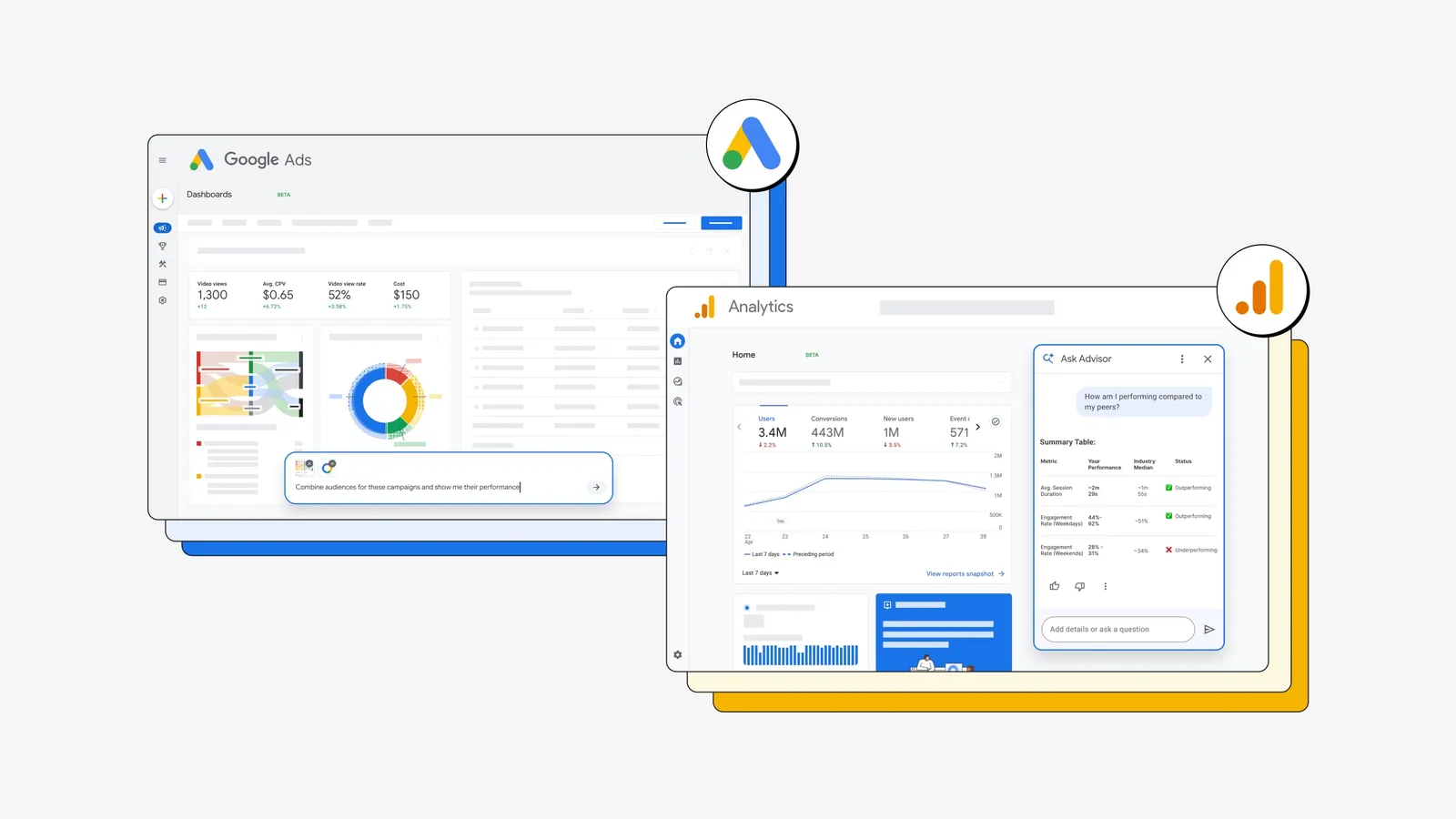
Google Analytics 4 and Google Search Console are the foundational free tools for tracking performance. Reviewing data weekly reveals what drives revenue and what requires optimization.
AI in Content: Speed with Boundaries
Artificial intelligence offers great convenience in drafting content, and I use it too. But let's be clear: AI is merely a tool. Expecting AI to build your content strategy is like trying to lay bricks with a screwdriver.
AI has clear boundaries: it lacks real-world field experience, hasn't spoken face-to-face with customers, and hasn't sweated at industry trade shows. AI-generated text may be technically correct, but it lacks authentic human soul—and readers abandon soulless content.
“Let AI draft so you can edit. Let AI research so you can verify. But never surrender your unique human voice to a machine.”
In our agency, we use AI for headline variations, meta descriptions, outline generation, and data summaries. But final content is always refined by an expert with real-world industry experience to prevent generic, cliché copy.
Frequently Asked Questions
When does content marketing yield results?
Initial traffic signals typically emerge between 4 to 6 months, while compounding business ROI matures over 12 months. Content marketing is a long-term investment, not a quick expense.
How many articles should I publish per week?
One high-quality, comprehensive article per week outperforms five mediocre posts. Prioritize depth and consistency over volume.
Should I update old content?
Absolutely. Information in older articles may become outdated, and search engines reward fresh, relevant data. Updating a three-year-old article with current insights ranks faster than starting from scratch.
Should I allocate budget for content marketing?
Yes. Investing in professional writers, editors, and visual design delivers superior ROI. You can start by writing content yourself, but continuous growth requires dedicated effort.
Does video content count as content marketing?
Definitely. In 2026, short-form and long-form video content generate high engagement across platforms. Repurpose blog posts into video scripts and transform videos into detailed articles.