A Cold Glass of Beer and an Unfinished Sales Story
Nine out of ten underperforming websites in Izmir make the exact same error. They spend their advertising budget directly pushing sales. They place a massive 'Buy Now' button at the top of the page, then sit back waiting for visitors to click it. This situation is akin to proposing marriage to someone you just met at a bar for the first time. The other party will likely set down their drink and hurry away. The digital world is no different. People do not open their wallets before getting to know you; first, they demand trust.
Recently, I toured the warehouse of a logistics firm I just began consulting for. There were thousands of boxes in the facility. Forklift drivers who didn't know which box belonged on which shelf ended the day merely exhausted. Marketers who don't understand the customer journey similarly exhaust budgets. At the end of the day, they are left with high click costs while sales fail to materialize. A customer journey map resolves precisely this chaos. It shows clearly which box belongs on which shelf, mapping out on paper the entire path from a visitor's initial touchpoint to becoming a loyal client.
In this handbook, you won't find vague theoretical definitions. I will honestly share the experience accumulated over years at my agency. I will provide real figures and share genuine stories from the field. If you are ready, let's begin and map out the path together right from step one.
The Story in 60 Seconds
For those pressed for time, let's summarize the process. The customer journey is not a linear line. A visitor enters your website, inspects competitors, asks friends, and returns days later to purchase. Throughout this journey, they require a distinct message at every step: on day one they seek information, on day two they demand proof, and on day three they merely expect a modest discount incentive. Brands managing these steps correctly protect their budgets; others simply end up paying Google Ads bills.
The Crowd That Has Never Heard Your Name
The awareness stage is the beginning of the journey. The prospective customer faces a problem, but has not yet put a name to it—and is entirely unaware of your brand's existence. Imagine a business owner whose voice has gone raspy searching online for 'what soothes a sore throat'. This individual does not want to buy medicine immediately; they simply seek to understand the cause of their discomfort. Your duty is providing information. Attempting to make a sale here is far too premature.
Three primary channels serve effectively at this stage. First are search engines. When people have a problem, they turn to Google first. If you lack content addressing their pain points, you get eliminated right out of the gate. In nine out of ten cases, organic search serves as the initial touchpoint. That is why investing in SEO consultancy forms the pillar of this stage. Targeting the right keywords draws traffic directly. The second channel is short vertical videos; on social media, you should present practical videos solving real problems. The third channel is YouTube search results; people love watching 'how-to' tutorials, and you must be present there.
As the DCP Crea team, we partnered with an e-commerce brand last year that was spending 100% of its budget on direct product ads. Sales remained sluggish. We shifted the strategy, reallocating a portion of the budget into problem-solving blog articles. We boosted organic traffic by 140% in six months. Audiences first got acquainted with our brand and saw that we solved their issues; three months later, they began purchasing our products. This demonstrates the power of the awareness stage: establishing familiarity before sales is mandatory.
Top content formats you can utilize in the awareness stage include:
- In-depth blog articles explaining the problem clearly
- Short vertical videos offering practical tips to viewers
- How-to guides tailored for YouTube searchers
- Free diagnostic quizzes analyzing user scenarios
Be prudent when spending ad budget during this stage. Rather than direct conversion-focused ads, launch audience-building campaigns. Your objective should be carving a spot in memory, not immediate selling. Once a visitor lands on your site, tracking pixels record their visit—and you stand ready to transition to stage two.
Indecisive Fingers Browsing Competitor Sites
The visitor now understands their problem, has listed potential solution alternatives, and noted your brand as an option—but has not yet decided. They browse competitor websites, compare pricing, and read reviews. The smallest misstep at this stage causes you to lose the visitor to a competitor. This is the single most critical window to instill confidence.
Empty claims yield zero results during consideration. Claiming 'We are the best' sounds merely comical. Buyers demand concrete proof. That is why you must prepare case studies, presenting performance results backed by figures and sharing before-and-after data. In my professional background, during my days at Panasonic Viko, we logged reports for every system modification in the factory, measuring production efficiency gains down to the millisecond. In marketing, you must apply the exact same discipline: clearly document what value you will deliver to your client.
The second essential pillar is customer reviews. Reviews on platforms like Google Reviews or Trustpilot are pure gold; buyers trust what real clients say over your self-promotional claims. Stay far away from fake reviews—search engines detect them quickly, and your brand reputation gets shattered. The third pillar is comparison pages: compare yourself objectively against competitors, documenting your strengths and limitations honestly. Transparency proves integrity and boosts trust.
“Before deciding, buyers consult an average of seven distinct sources. If your real success stories aren't among them, you get eliminated.”
Umut Kılıç
Essential assets you should feature on your site during consideration:
- In-depth case studies backed by metrics
- Verified video reviews from real clients
- Objective service comparison tables against competitors
- Comprehensive landing pages detailing service breakdown
You must clear every lingering question mark from the visitor's mind at this stage; otherwise, they will never press the buy button. I witness this frequently with e-commerce brands I consult: sites with thin product descriptions suffer record cart abandonment rates. Lack of information breeds doubt, and doubt kills sales. Explain everything with complete clarity.
The Moment Wallets Come Out
The decision stage is the final moment. The prospective client stands on the verge of deciding and leans heavily toward choosing you. Yet, they need a final trigger. Secure payment gateways, fast delivery guarantees, or an honest proposal process dictate the outcome here. You must minimize friction; every step complicating the purchase flow costs you a client.
Retargeting ads serve as life-savers during this stage. Present tailored offers to visitors who navigated your site without purchasing, utilizing Google Ads and Meta Ads. Avoid suffocating them with ads, however: showing the identical visual ten times a day harms brand perception. Establish reasonable frequency caps. The second crucial tool is email automation: send an honestly crafted reminder email to users who abandoned their carts, pairing it with a small discount code or free shipping offer. You will observe conversion rates climb.
The third pivotal element is active live support. Your WhatsApp line or on-site chat widget must remain active. At the decision moment, buyers seek a human contact to clarify their final query. Your initial response time should be under thirty seconds. Keeping a prospect waiting prompts them to open a competitor tab immediately. This is the golden rule we enforce at my agency: respond instantly to prospects at the decision moment, and you will be amazed at how sales figures ascend.
Key elements triggering conversion during the decision stage:
- Straightforward, secure checkout workflows
- Rapid-response live chat assistance widgets
- Transparent service proposals specifying exact budgets
- Risk-free trial periods or money-back guarantees
Conversion Rate Optimization (CRO) initiatives gain primary relevance here. Eliminate unneeded form fields—refrain from asking for non-essential personal identifiers. The fewer form fields users complete, the more effortlessly they convert. Streamline the checkout process into a flow anyone can complete with ease.
The Art of Retaining Existing Clients
The client completes a purchase, and most businesses halt their efforts right there—issuing an invoice and resuming the hunt for new clients. This represents the biggest flaw in digital marketing. Acquiring a new customer costs five times more than retaining an existing one. The loyalty stage dictates your true profitability; a satisfied client generates recurring revenue.
Email newsletters serve as fantastic vehicles for the loyalty stage. Avoid blasting endless discount or promotional emails, however—audiences grow weary quickly and mark them as spam. Instead, deliver high-value content explaining how to extend the lifespan of their purchased product or how to extract maximum efficiency from your service. Make clients feel valued so they view your brand as a helpful partner rather than a money-extracting entity.
The second method is referral programs: incentivize satisfied clients to recommend your business to peers, structuring mutual benefits for both sides. Word-of-mouth remains the most powerful marketing channel even in the digital landscape because people trust personal recommendations. The third element is personalized recommendations: inspect past client purchase history and suggest complementary offerings right when they might need them next month, naturally driving recurring sales.
Tactics you can implement to keep the retention stage vibrant:
- Tailored email sends containing personalized care guides
- Exclusive discount incentives for referral advocates
- Personalized product recommendations based on past orders
- Priority support access lines for loyal clients
Never sever the bond with your client. On the 30th day post-sale, send a check-in email inquiring about their satisfaction and asking if any issue has arisen. These subtle touches elevate your brand in their memory. When clients feel genuinely valued, they turn directly to you for their next need without even checking competitors.
Mapping Your 20 Customer Touchpoints
Touchpoints represent every instance where a customer interacts with your brand. They extend far beyond your website: Google search snippets, Instagram ad creatives, billing emails, and even WhatsApp chat windows serve as touchpoints. You must maintain a unified, consistent experience across every single one. Speaking corporate in one place and using casual street slang in another undermines trust.
I suggest a straightforward method for mapping touchpoints: grab a sheet of paper and write down sequentially every action your customer takes from initial discovery onwards. How did they land on your site? Which pages did they browse? Where did they look before deciding? Which follow-up emails did you send post-purchase? Putting answers on paper instantly reveals experience gaps—and those gaps represent exact points where sales leak.
In audits conducted with my team, we observe that the most frequent breakdowns occur post-purchase. Payment processes successfully, but no order confirmation email arrives. The client wonders if their card was charged, worries, and messages WhatsApp support—only to receive no reply for three hours. This turns what began as a great journey into a disaster. Audit every touchpoint individually and ensure the workflow runs flawlessly.
Essential digital touchpoints include:
- Google organic search engine result snippets
- Social media ad graphics and copy messaging
- Website landing pages and lead form fields
- Order confirmation and transactional billing emails
- Customer support and WhatsApp chat widgets
Optimizing each of these touchpoints delivers holistic success. Merely speeding up your website is insufficient; you must simultaneously refine your support team's communication tone. Customer experience is an integrated whole, and clients judge your brand by the average across touchpoints. Leave zero broken links.
Where Money Really Goes: Attribution Models
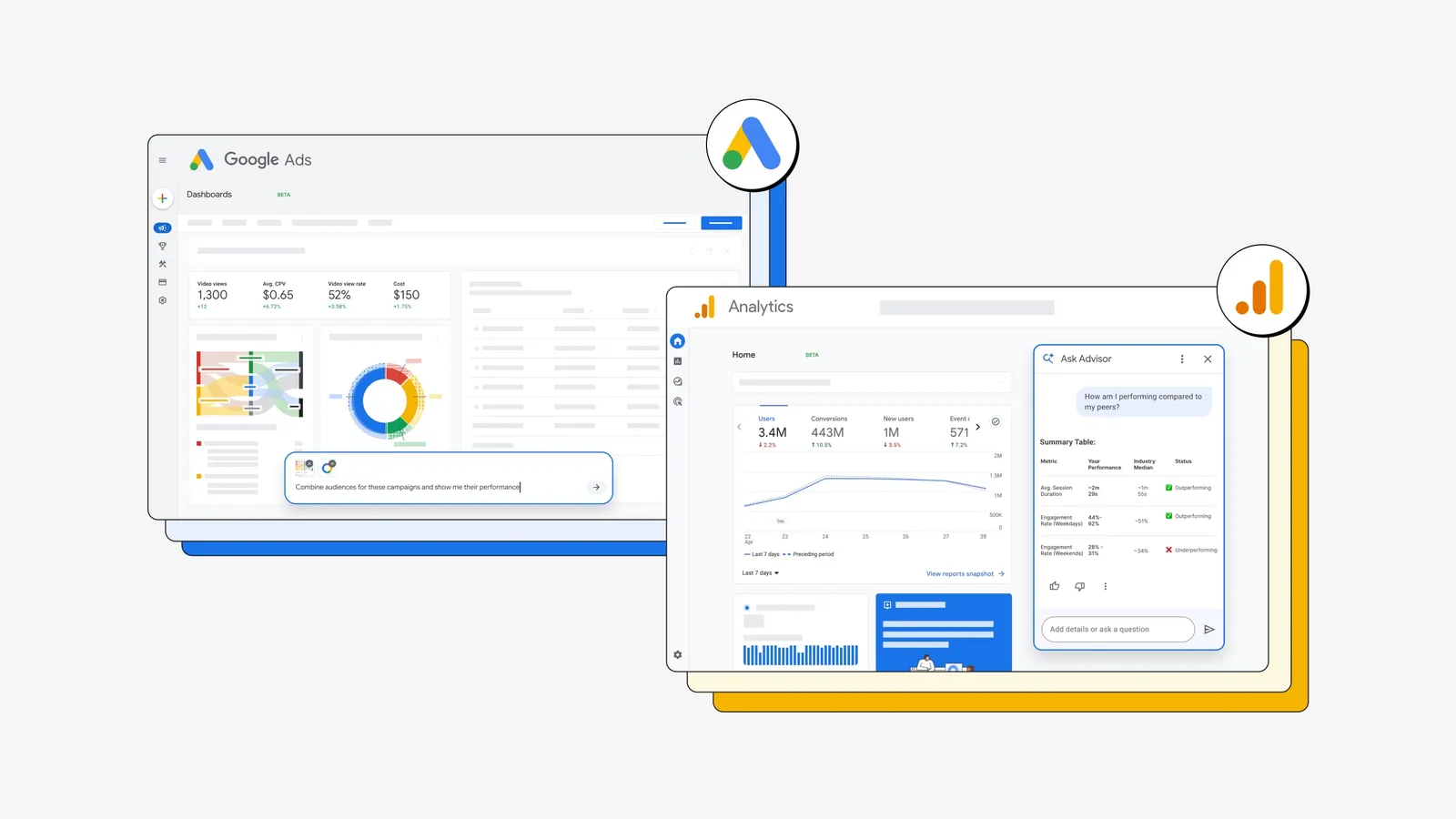
A major trap businesses fall into is relying solely on last-click attribution models. When analyzing customer journeys, they inspect only the final action. Suppose a visitor reads your blog post, sees your Instagram ad two days later, and searches your brand name on Google on day three to complete a purchase. Businesses attribute 100% of revenue directly to Google search, dismissing the blog post and Instagram ad as budget waste.
This is like showering praise on the striker who scored a goal while firing the midfielder who delivered the assist. Without the midfielder, the striker never receives the ball. Digital marketing operates identically. Attribution models resolve this flaw: activate data-driven attribution in Google Analytics 4. This model distributes conversion credit honestly across every touchpoint, allowing you to see which channels genuinely generate value.
In nine cases out of ten, conversion paths are multi-touch and complex; single-click buyers are virtually non-existent. Google's official attribution modeling guide explains this scenario in depth. Failing to analyze models accurately leads to investing in wrong channels—six months later organic traffic drops while ad costs double because you dried up the source. Give every channel the credit it deserves.
Moving Away from Disorganized Spreadsheets
Many SMEs try to manage customer lead data in static Excel spreadsheets—or worse, saved only in phone contacts. Once your client volume exceeds fifty, that system collapses: you forget who is at which stage and skip follow-up calls to proposal prospects. CRM (Customer Relationship Management) software steps in here, forming the digital backbone of the customer journey.
Integrate your CRM system with your website so every prospect completing a form drops into the pipeline automatically. Stop manual data entry; it wastes precious time. A CRM logs which emails prospects opened and which web pages they browsed. When your sales rep calls, they speak with full context, signaling high professionalism and making clients feel valued.
Furthermore, connect your CRM data to ad platforms like Google Ads and Meta Ads. Upload data on your top-performing clients to build Lookalike Audiences. Ad algorithms inspect this data to find new individuals matching your real high-value clients, reducing customer acquisition costs while elevating campaign performance. Free starter options like HubSpot CRM are available for small teams—set it up immediately and keep your data structured.
Key advantages delivered by an effective CRM integration:
- Centralized lead data consolidated in a single platform
- Automated follow-up tasks assigned to team members
- Rich custom audience database creation for ad platforms
- Transparent performance tracking for sales reps
Operating on data minimizes margin for error. Make strategic decisions guided by analytics rather than gut feel. A CRM integration delivers these insights to your fingertips; automate your workflows and spend your time scaling your business.
Knowing When to Launch
Customer journey mapping can become an endless endeavor where you continuously add granular details. Do not let this trap you in analysis paralysis. Avoid getting lost in details and forgetting core operations. Start simply: outline the four fundamental stages on paper, patch gaps over time, and launch with a working model rather than waiting endlessly for perfection.
My practical rule of thumb is this: if your website receives fewer than one thousand visitors per month, avoid setting up overly complex funnels. Focus first on building top-of-funnel traffic. As traffic grows, data accumulates and journey friction points become obvious; that is when you conduct deep analysis. Managing core steps properly is more than sufficient for small businesses at outset.
Transparent Budgeting Realities
You will hear astronomical fees quoted in the market for customer journey audits and marketing strategy work. Let's speak candidly: costs scale directly with your enterprise size. If you operate a small local business, building your map in-house incurs zero financial cost—it merely requires your time. If you wish to partner with a professional agency, however, establish clear budget expectations.
By my estimation, professional strategy consultations start around $1,000 to $2,000 for local businesses, while scaling past $5,000 for larger e-commerce operations. The priority is securing high ROI: any strategy work stopping ad waste amortizes its cost within the first three months. View this not as an expense, but as a high-return investment—a properly engineered journey generates significant long-term revenue.
Frequently Asked Questions (FAQ)
How long does customer journey mapping take?
It depends on your business scale: one day is sufficient for a small business, whereas full e-commerce mapping may take a week. Remember that mapping is not a one-off task—you must review and keep it updated periodically.
Which customer journey stage is most important?
All four stages matter, but the loyalty stage is most frequently neglected. Brands continuously chase new clients while ignoring existing ones, even though retaining current customers yields far higher profitability.
Is journey mapping necessary for small local budgets?
Absolutely. The smaller your budget, the smaller your margin for error—you have zero cash to waste. Mapping your journey ensures every spent dollar delivers maximum efficiency.
Which CRM software should I start with?
HubSpot CRM's free tier is more than adequate for starters. The specific platform matters less than building the consistent habit of entering lead data regularly.
What do I lose without attribution modeling?
You risk misallocating marketing spend to wrong channels, ignoring the crucial top-of-funnel touchpoints that brought clients in the first place, and watching ad costs rise while sales decline without understanding why.
Why do agencies bypass customer journey mapping?
Because conducting detailed analysis requires labor-intensive effort. Most agencies prefer quickly launching basic ad campaigns—it makes their job easy, but results in wasted client budget.
If you have questions regarding customer journey mapping, learn more from my story or review our PPC consultancy page. To build an effective roadmap, explore our strategic brand consultancy services. I am just a phone call away—give us a call and let's get started.